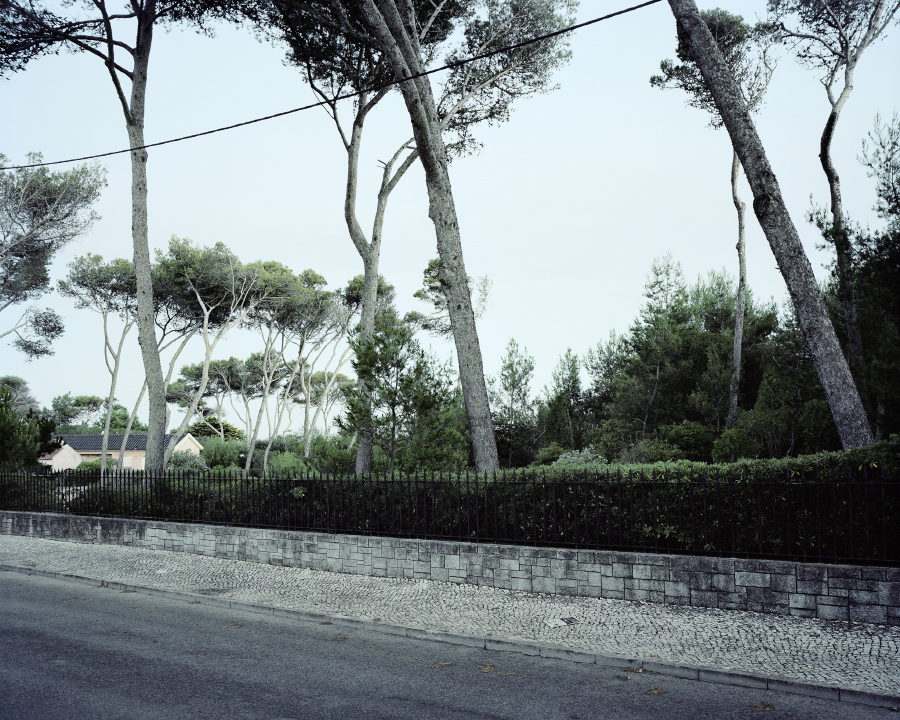
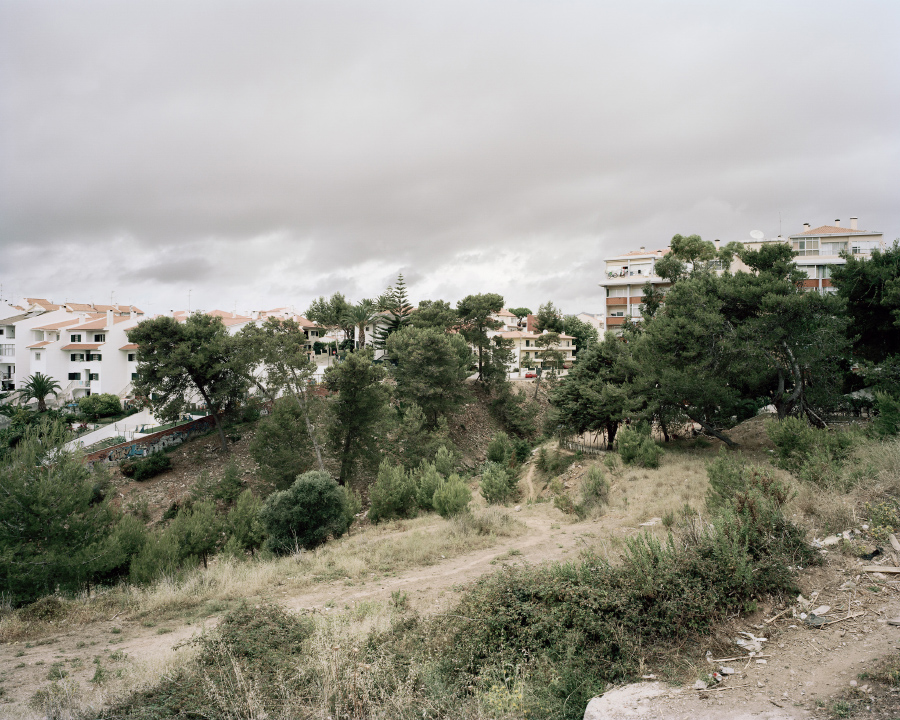
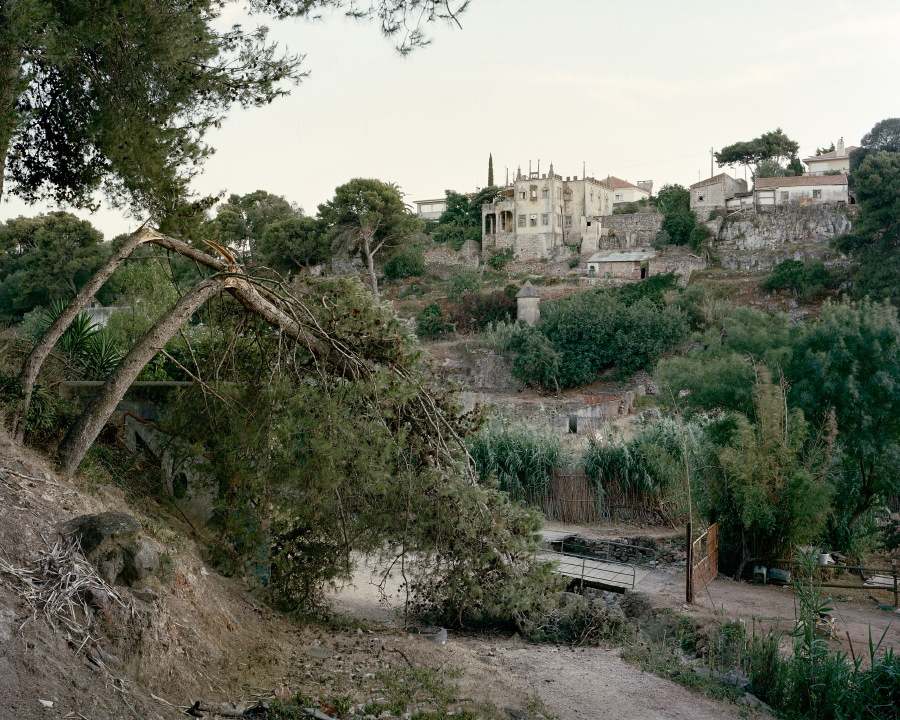
Cascais is located 30 km away from Lisbon, on the shoreline, beyond river Tagus’ mouth where the coast curves into the Atlantic. Military strategic point, fishermen village and fashionable royal beach, Cascais earned the status of the Portuguese Riviera. It became the adoptive residence of the European royalty without kingdom, of powerful political families of the Salazar dictatorial regime and was the location for a James Bond film Casino Royale, apparently inspired in a stay of Ian Fleming in Estoril, during the Second World War. In the 1990s, Cascais attracted the new economic and political classes of the democratic regime, they moved in particular to Quinta da Marinha in Guincho, a settlement of villas built by in the limits of the Natural Park of Sintra and Cascais.
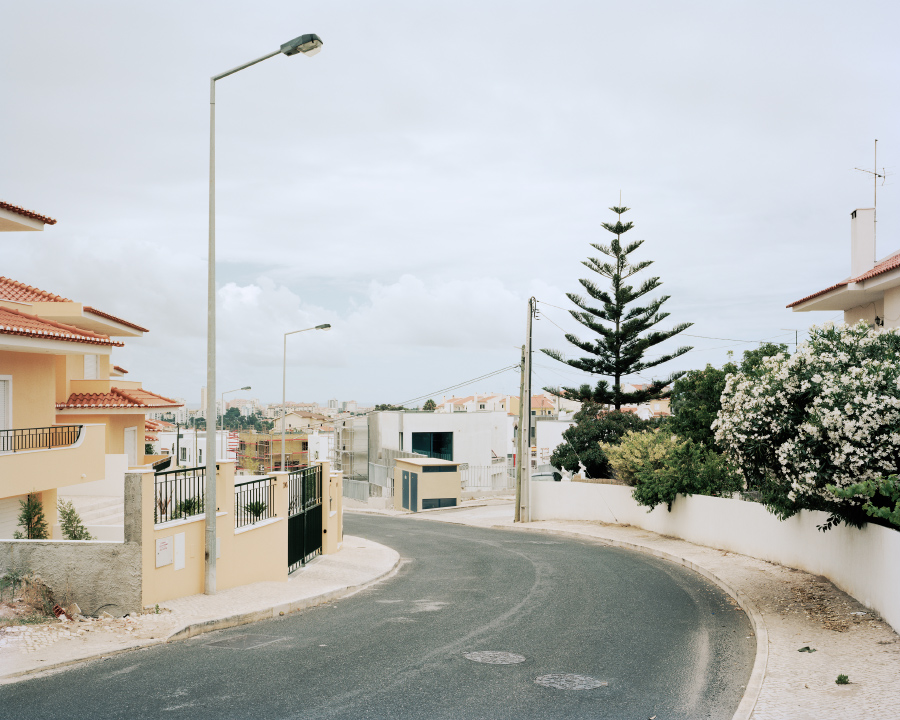
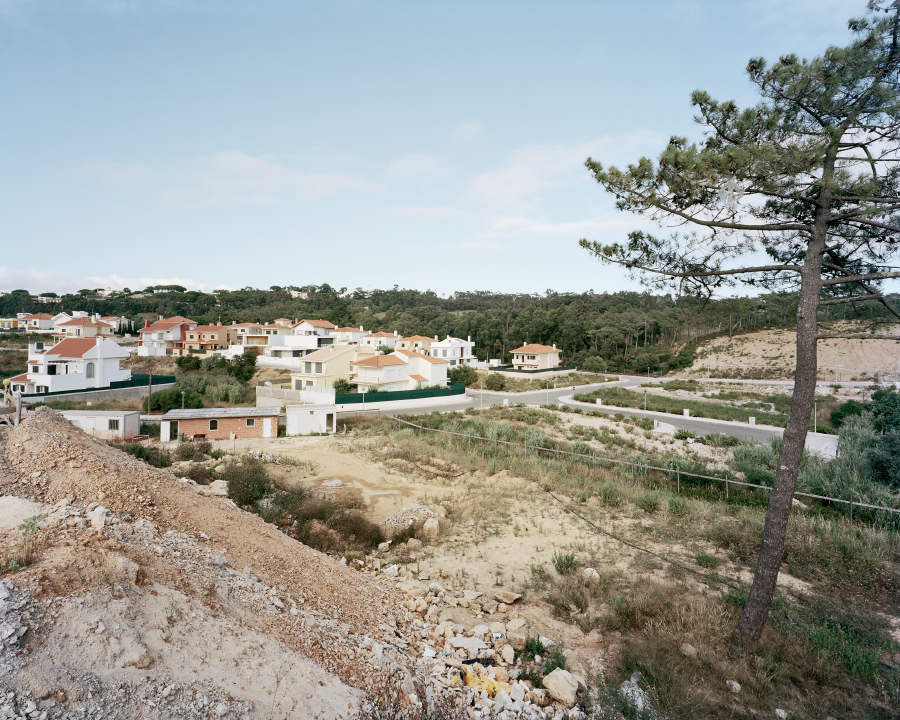
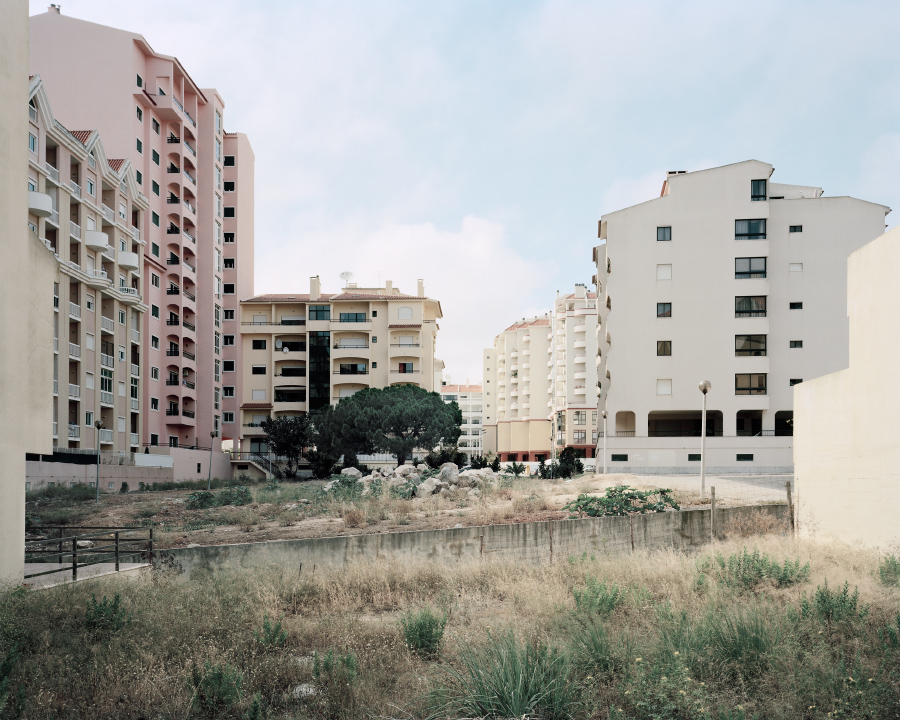
Despite the aristocratic and cosmopolitan feature of the coastline, the inner areas of the district unveil another facet: a hybrid territory of contrasts, where rural and suburban became indistinguishable. In a moment we are driving through roads that connect old villages, bordered by small industrial warehouses and factories, old houses, second hand car retailers and drive-in fast foods. In another we are cruising a viaduct leading to a shopping mall or to an industrial retail park. New urban settlements where private residential areas predominate, either with twin houses or large villas. A perfect allegory of the contemporary Portuguese landscape.
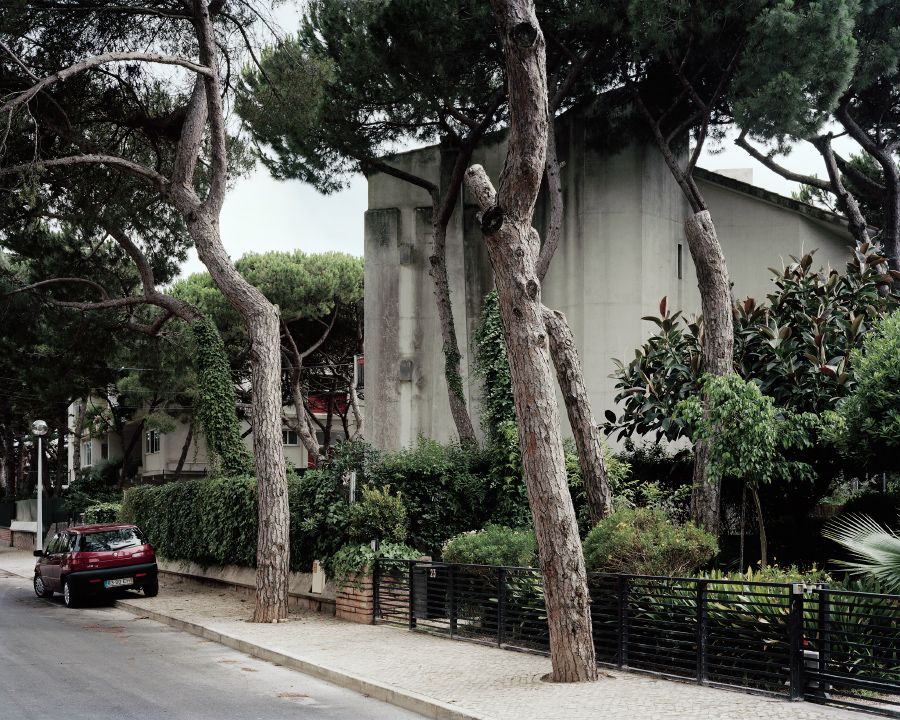
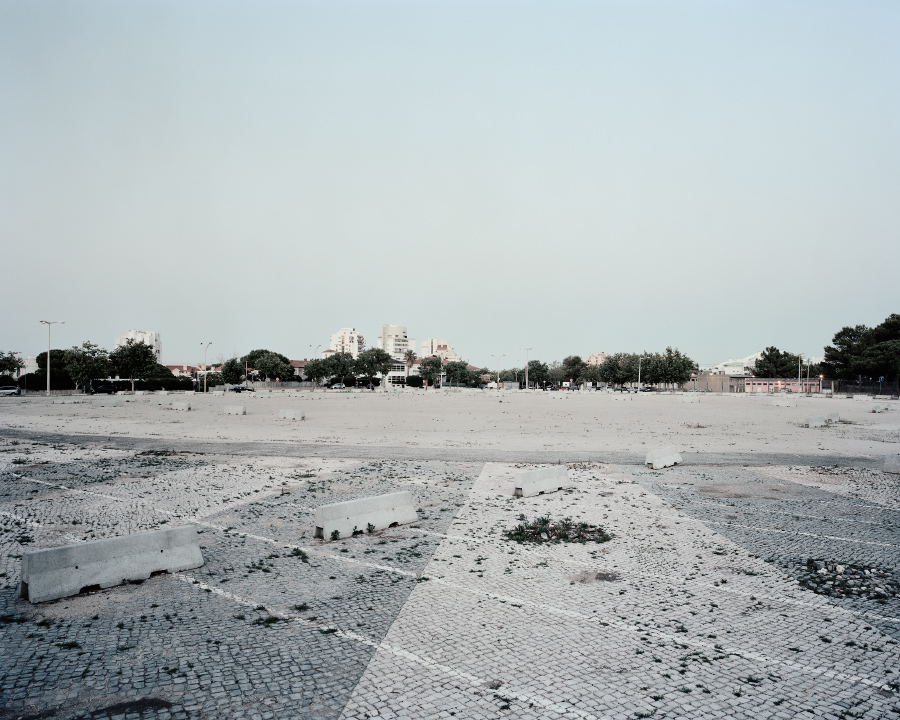
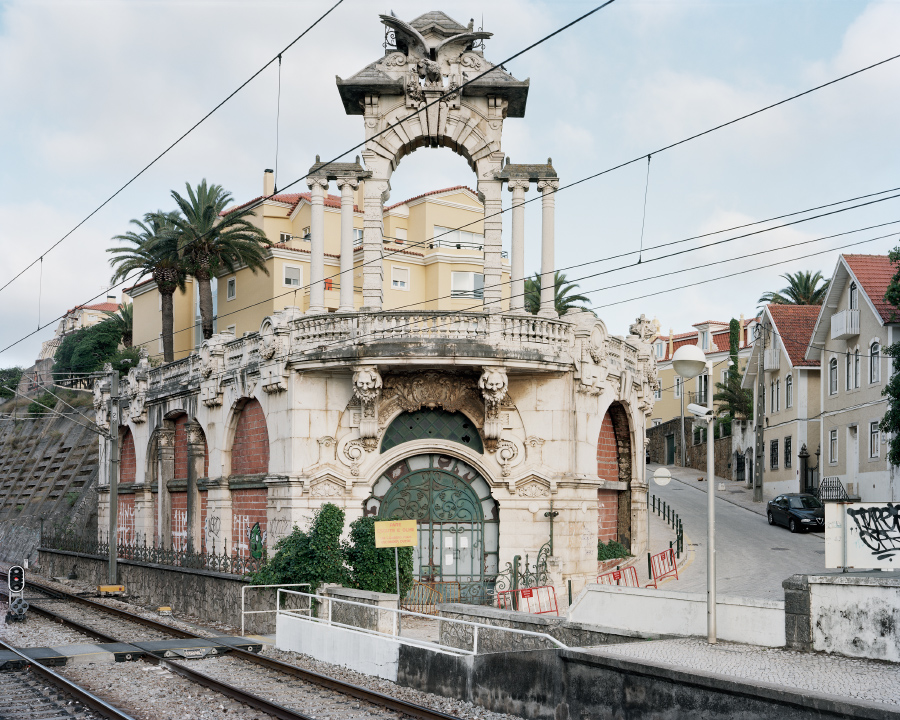
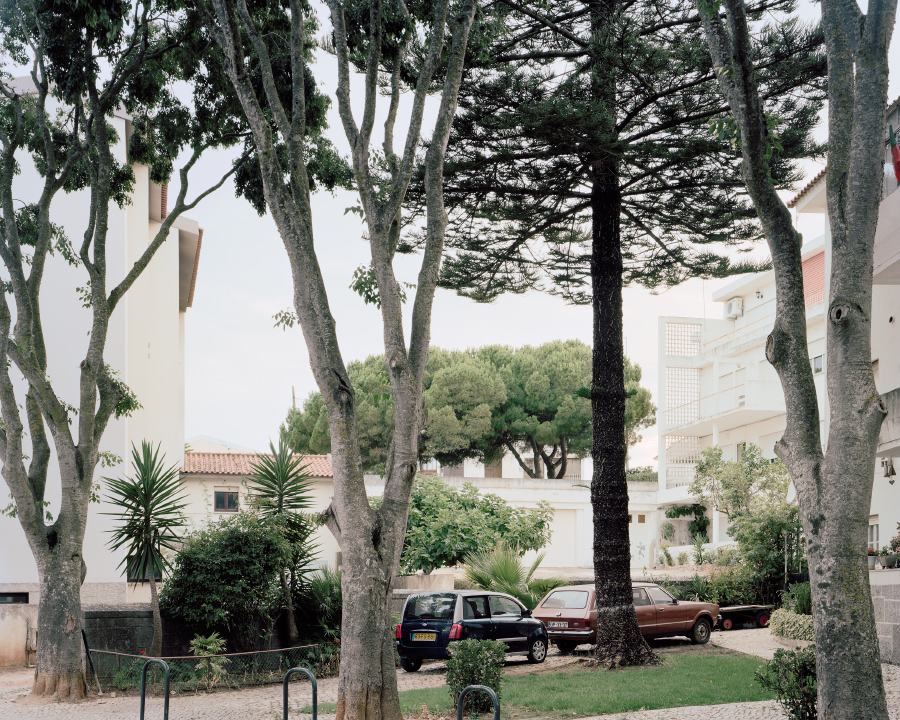
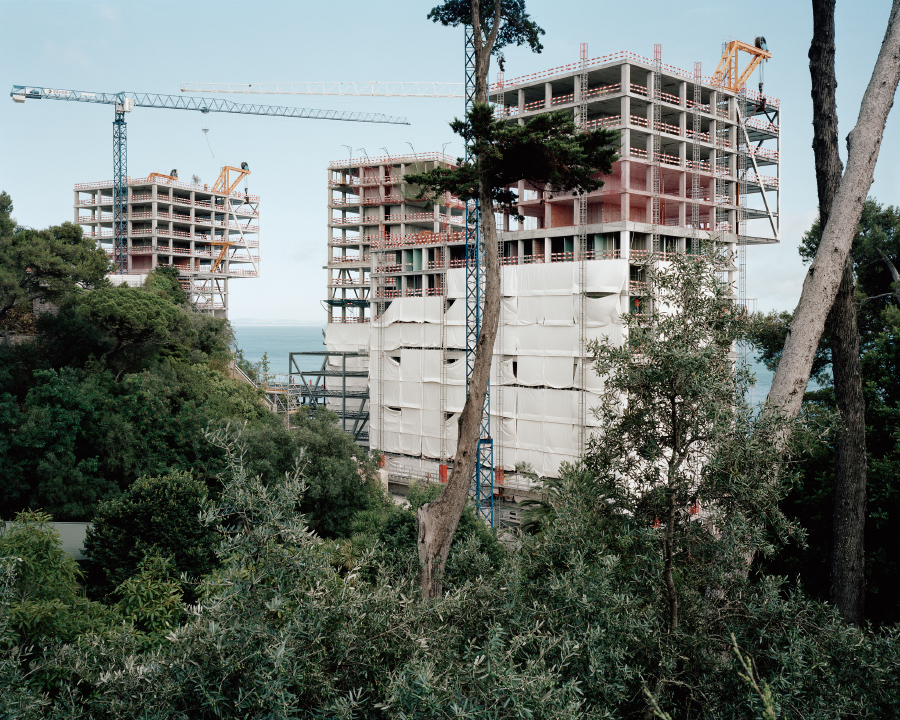
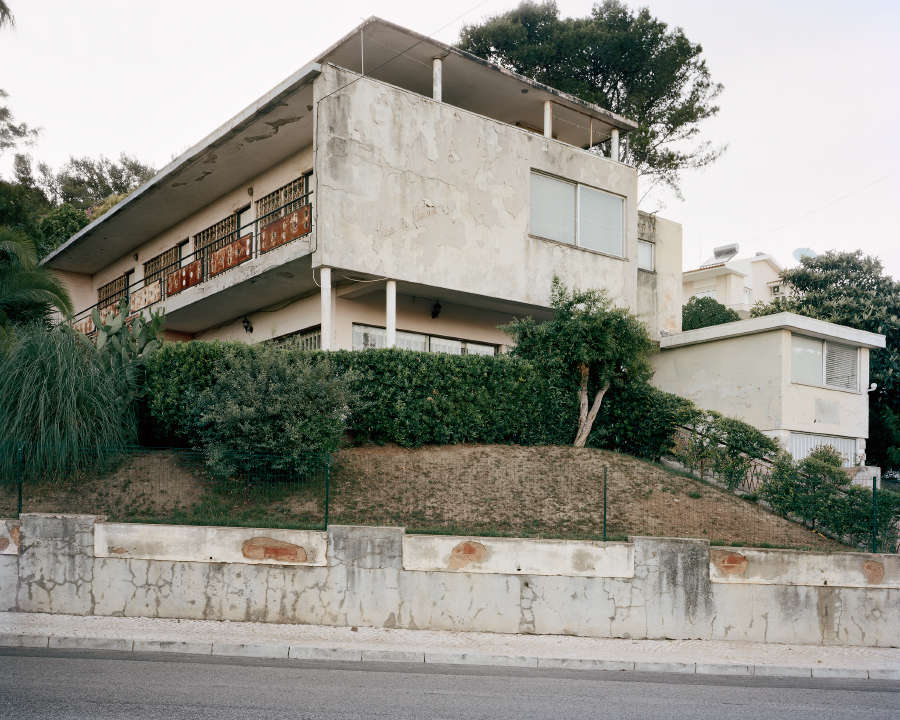
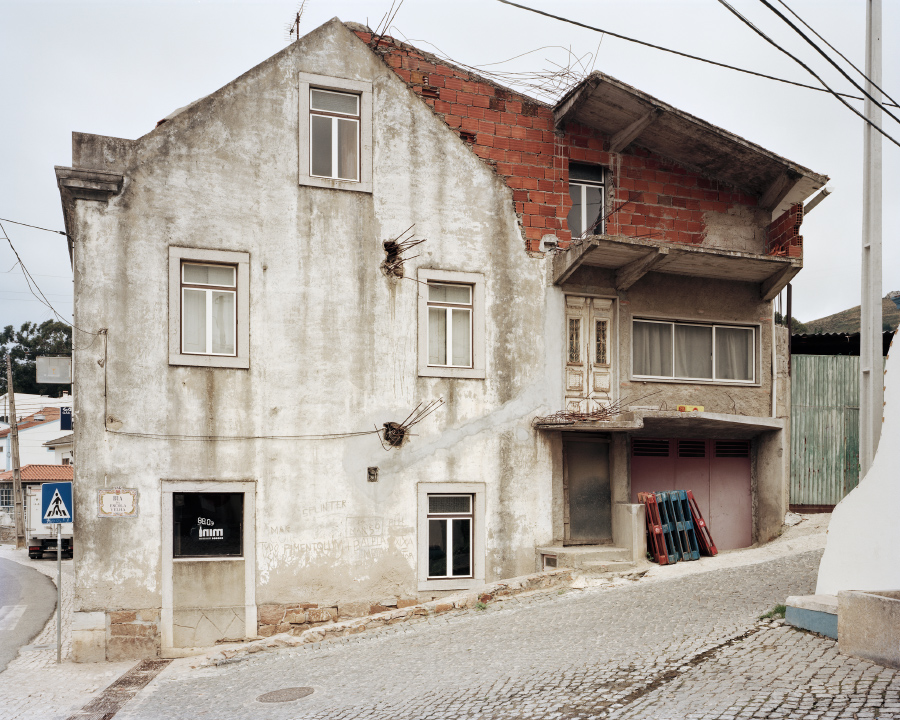
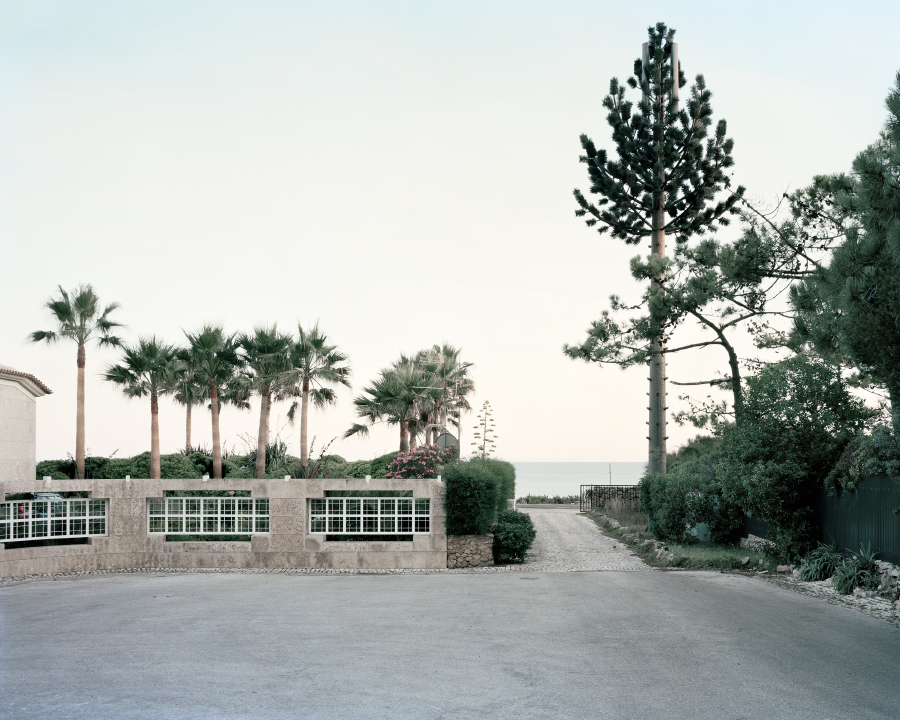
Addressing Cascais these photographs take landscape as a cultural statement, condensing historical, social and economical expectations. As a stratigraphic cut they simultaneously expose the present and the past, reharsing the hypothesis of a mnemonic space. In a landscape marked by the reddish colour of its soil and the way the sea wind moulds its pine trees, the photographs centre attention in the city’s less recognised urban aspects: the economic residential areas built during Estado Novo, the modern villas of mid twentieth century, the unclassifiable suburban houses and the new urban settlements. They look upon the area of protected landscape of Ribeira das Vinhas valley or to the site where once stood the iconic modern buildings of Estoril Sol Hotel and the Brutalist Cascais’ bullring, recently demolished.
More than formulating a position of authority over the subject, these subjective, fragmentary, and imperfect photographs intend to contemplate and quest a certain way of occupying the territory and (re)creating the landscape, one distinct of Southern Europe.
The title is a tribute to the Smashing Pumpkins and to their performance at Cascais’ Bullring on the 2nd of May 1996.
Subtitles
Lfc 833 Rua Palmira Dantas, 27.6.2009 13:17hrs f64/4
Lfc 847 vista para o Bairro Mira Golfe, Amoreira 30.6.2009 18:40hrs f45/2
Lfc 838 Rua António da Nola 29.6.2009 16:45hrs f45/8
Lfc 840 da Av.Manuel Júlio Carvalho e Costa, Torre 29.6.2009 17:51hrs f64/2
Lfc 850 antiga Praça de Touros de Cascais 30.6.2009 21:17hrs f22.5/4 segs
Lfc 849 para a Rua da Olivença, Estoril 30.6.2009 19:35hrs f45/2
Lfc 835 Rua Conde Monte Real 27.6.2009 19:44hrs f45/3segs.
Lfc 845 da Av. da Argentina, Estoril 30.6.2009 17:38hrs f 64/4
Lfc 858 Av. Tenente Coronel José Pessoa 1.7.2009 20:25hrs f64/4segs.
Lfc 854 Rua da Escolha Velha, Malveira da Serra 1.7.2009 11:40hrs f45/8
Lfc 861 Quinta da Marinha 1.7.2009 20:54hrs f64/10segs.
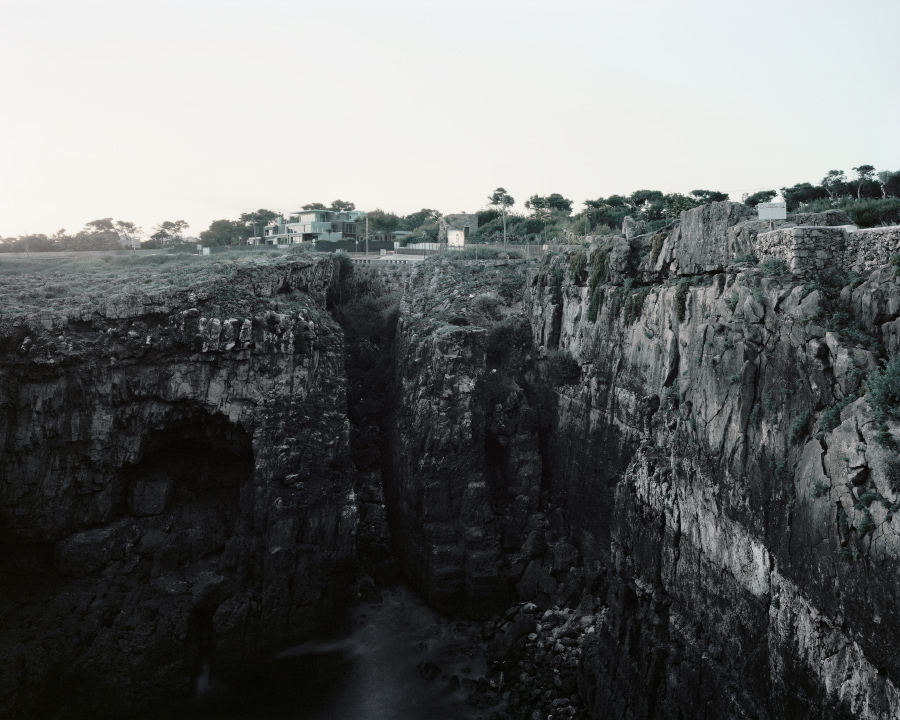
Lfc 863 Boca do Inferno 1.7.2009 21:25hrs f32/1 min.
Mfc 371.10 Rua Visconde dos Olivais, 29.6.2099 21:20hrs, f22/1 min.
Lfc 832 vista da Rua Eng. António de Azevedo Coutinho, para o Vale da Ribeira das Vinhas
27.6.2009 12:35hrs f45/8
Mfc 367.10 Ribeira das Vinhas 26.6.2009 20:50hrs f22/2 segs.